Historical Costumes – Bonumsartores.com
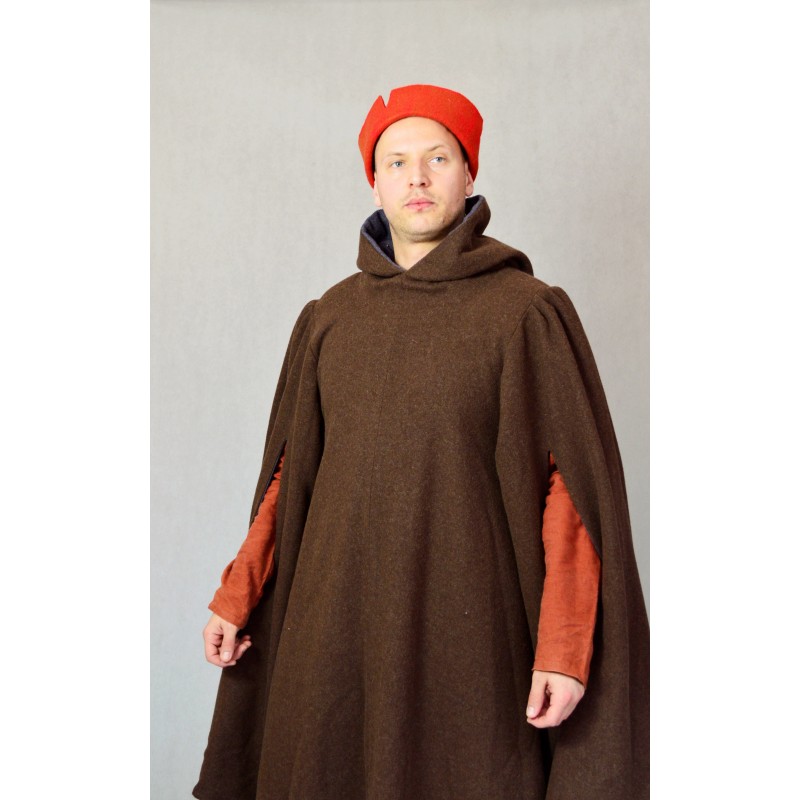
Cloaks and Outerwear in the Middle Ages
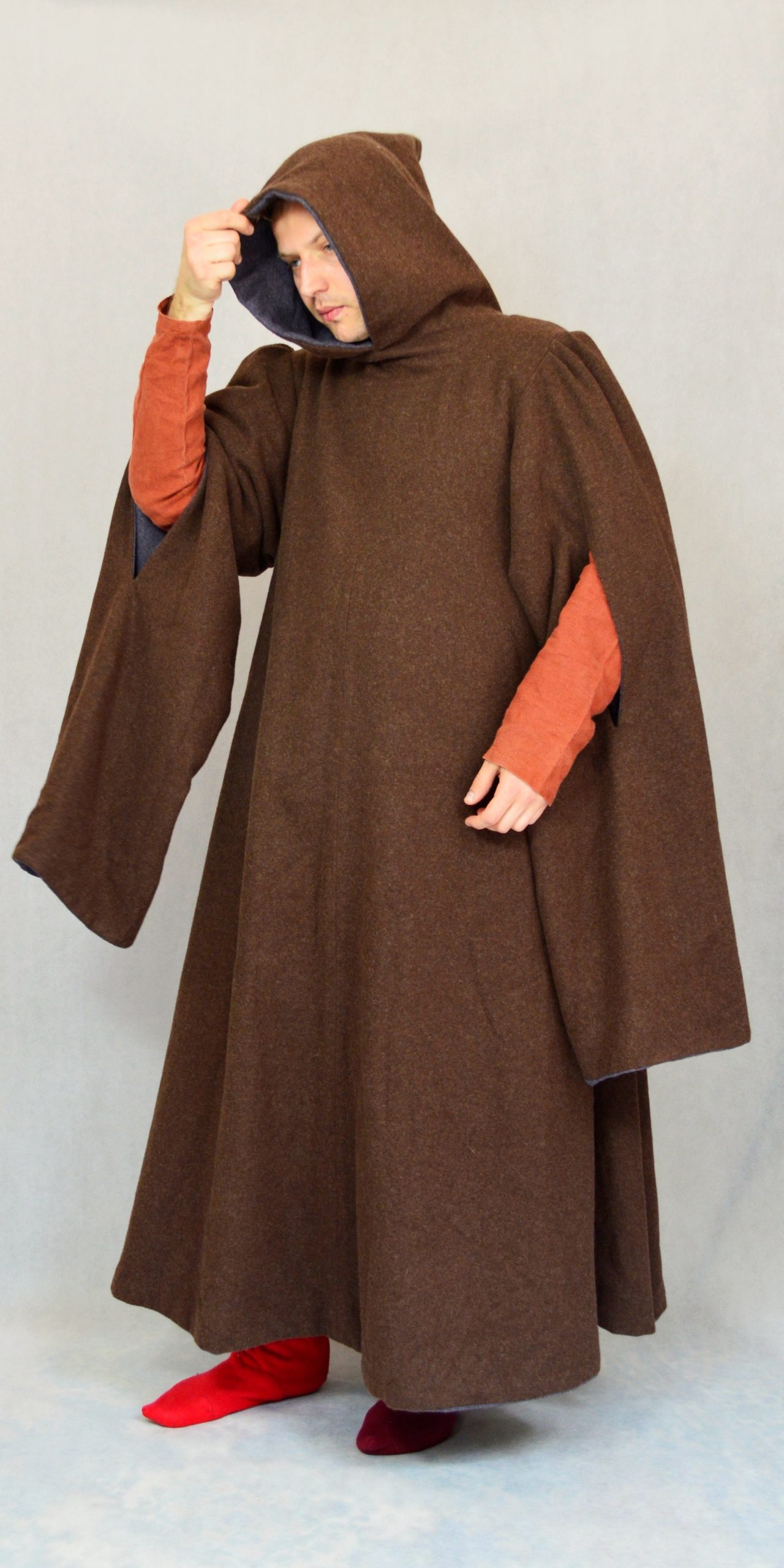
Medieval travel coat, used from the 13th to the 14th century, as outerwear – protective against weather conditions. Otherwise known as gardercops.
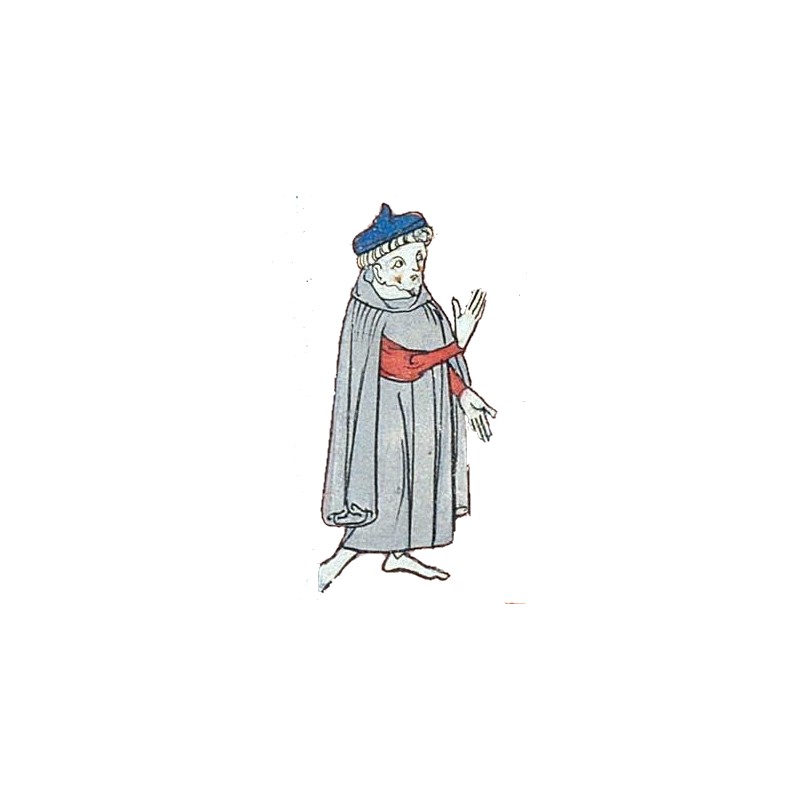
Worn by all social classes, as evidenced by the rich iconography. Used by both men and women. It took various forms.
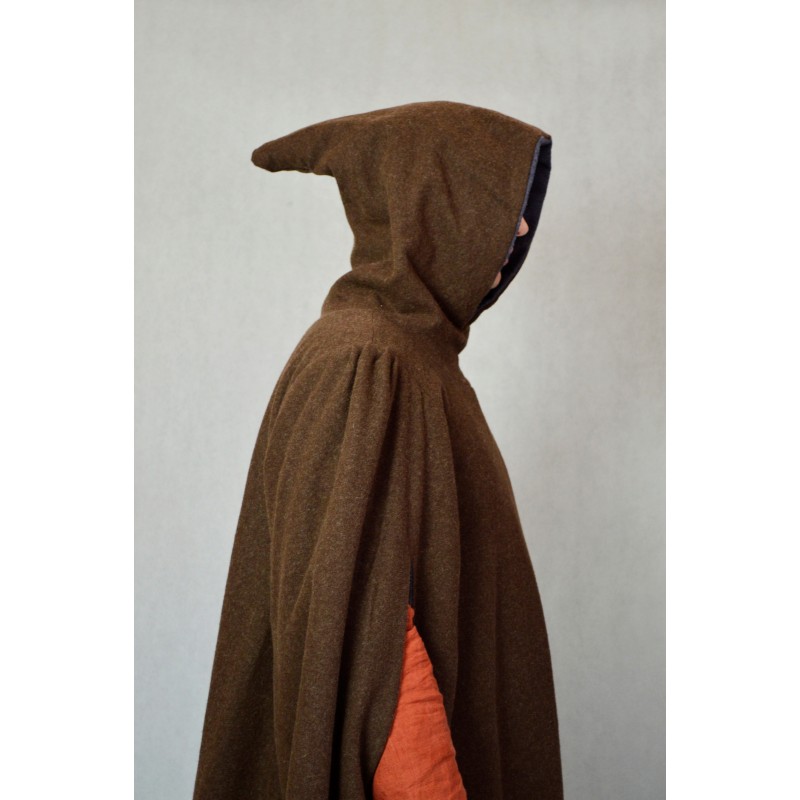
The presented surcoat is characterized by a loose cut, sewn from 4 parts plus sleeves and a hood. It also has a flared bottom without a slit, pleated wide sleeves and a hood with a delicate tail. The sleeves have secured slits, allowing you to put your hands through. Put on over the head.
Sewn from wool, with a linen lining. It is possible to use a wool lining.
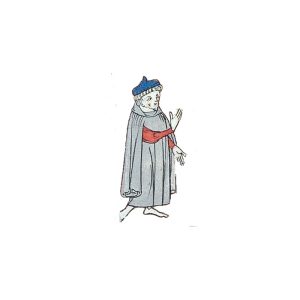
Example Iconography: tomb of St. Stephen of Obazine (1260); Maciejowski Bible (ca. 1250); Codex Manesse (ca. 1300-1340), miniatures from a manuscript of Practica Chirurgiae (early 14th century), Scholastic miscellany FR (1309-16), Roman de Brut GB (1325/1350)
Related products
-
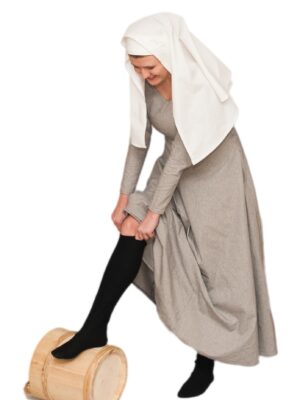
Medieval Women Hose
57,05 € This product has multiple variants. The options may be chosen on the product page -
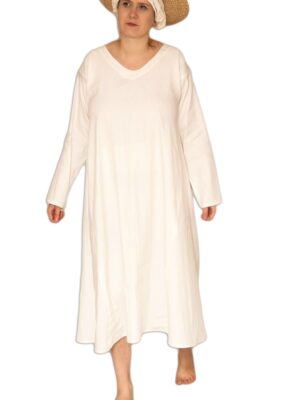
Chemise 13th century version- medieval women underdress
118,54 € This product has multiple variants. The options may be chosen on the product page -
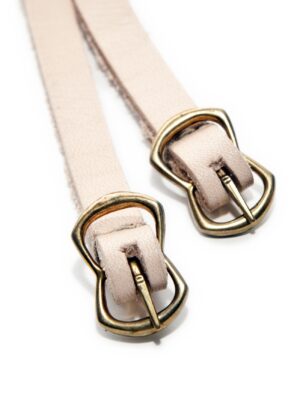
Garters
14,87 € This product has multiple variants. The options may be chosen on the product page -
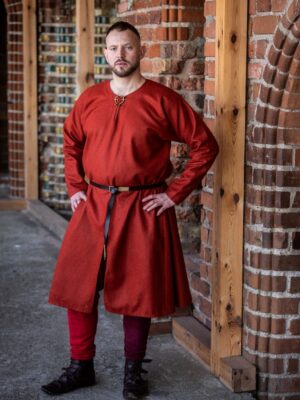
Wool Tunic 13th Century
194,45 € This product has multiple variants. The options may be chosen on the product page