Historical Costumes – Bonumsartores.com
The Doublet – A Medieval and Renaissance Garment
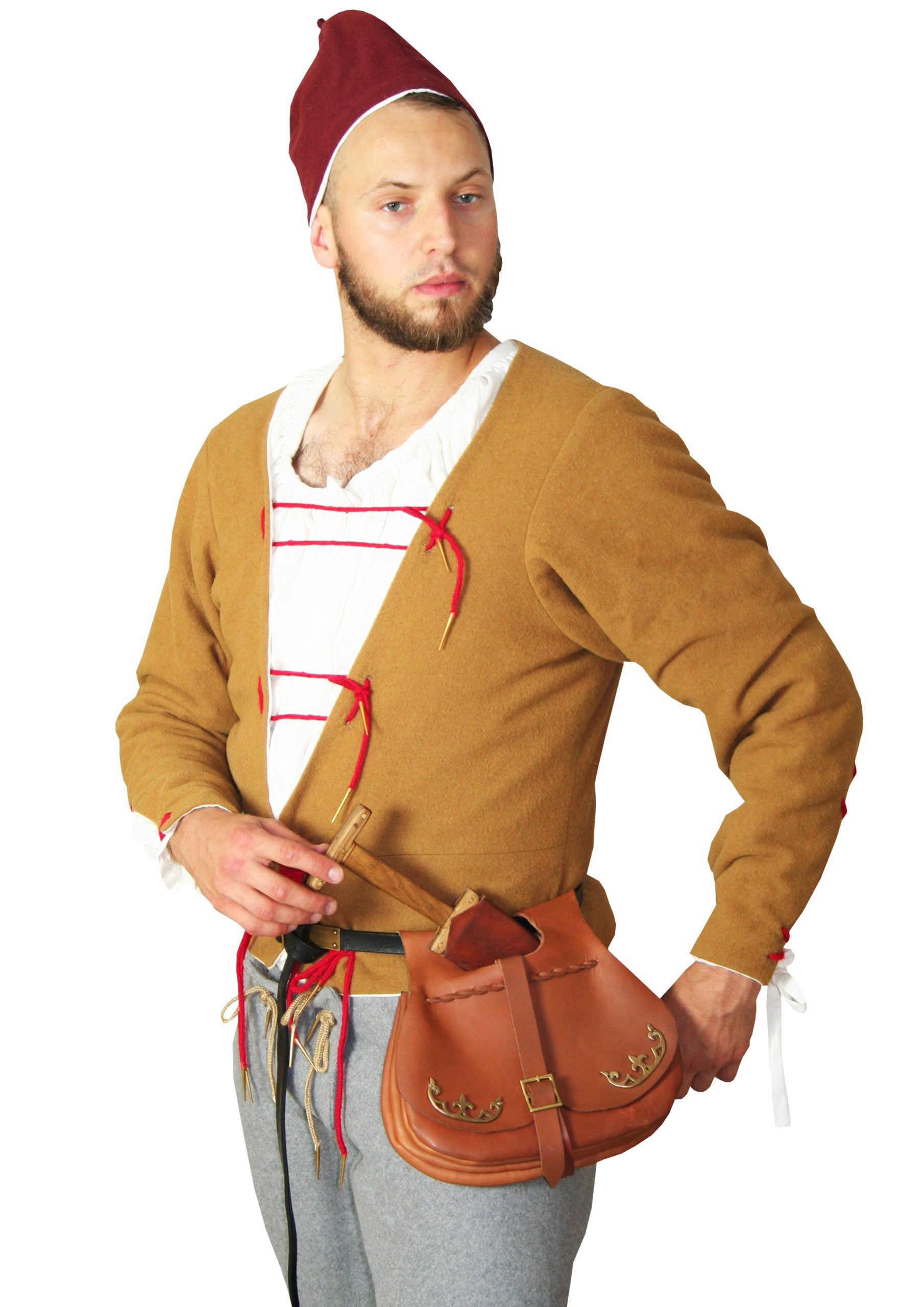
The doublet, as a piece of clothing, appeared in the 14th century and was initially a warming layer worn under outerwear. As medieval fashion developed, its cut changed – it became increasingly fitted, accentuating the silhouette, and shorter.
The doublet was one of the most important elements of men’s wardrobe in the Middle Ages and Renaissance. Worn from the 14th to the 17th centuries, it was a form-fitting, front-fastening garment worn over a shirt. Initially, it served a practical purpose – it provided warmth, held leggings in place with special lacing, and provided a protective layer under armor. Over time, the doublet also became a fashion statement – decorated, quilted, embellished with embroidery and buttons, it emphasized the wearer’s social status and was worn as a separate outer garment.
Today, the doublet, recreated according to iconographic sources and archaeological finds, is an indispensable element of historical costumes – both in battle reenactments and in court fashion shows and theatrical performances.
Related products
-

Joined-hose – medieval trousers
164,30 € This product has multiple variants. The options may be chosen on the product page -
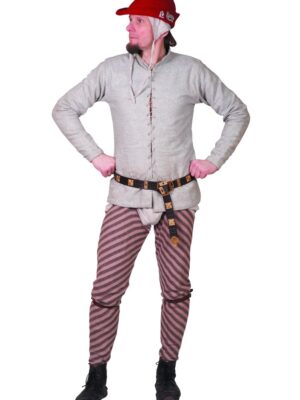
Woolen Medieval Doublet – Late 14th to Early 15th Century
171,32 € This product has multiple variants. The options may be chosen on the product page -

Cotte simple wool type 2- Medieval dress 14th/15th century
Price range: 284,95 € through 296,12 € This product has multiple variants. The options may be chosen on the product page -
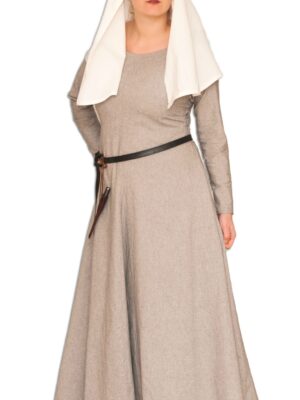
Cotte simple type 2 – simple medieval linen dress
Price range: 193,77 € through 205,16 € This product has multiple variants. The options may be chosen on the product page