Historical Costumes – Bonumsartores.com
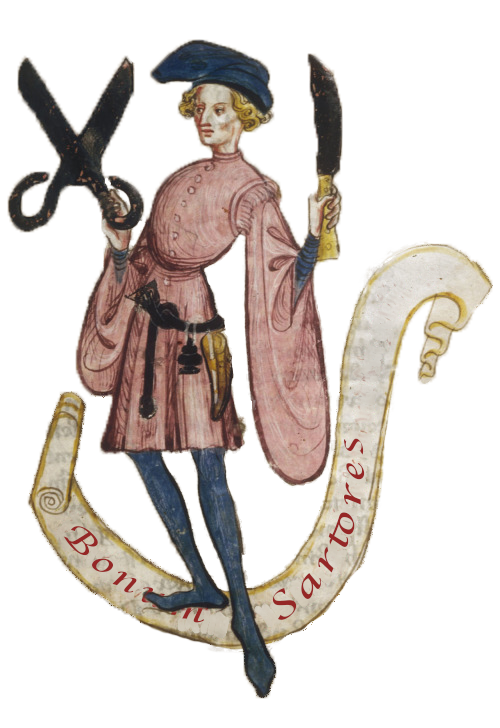
The History of Hose in the Middle Ages
In the Middle Ages, leg coverings were an integral part of both men’s and women’s clothing. Initially, the hose served a practical purpose – they protected against cold and abrasion – but over time, as was the case in the symbolic Middle Ages, they also became a part of the outfit emphasizing the status and fashion of the era.
Medieval hose were most often made of wool, and were adjusted to the shape of the leg. It was attached to the waist with drawstrings or a special belt. As the cut developed, the chausses became increasingly tight-fitting and decorative – in the 14th and 15th centuries, chausses in two contrasting colours were even fashionable.
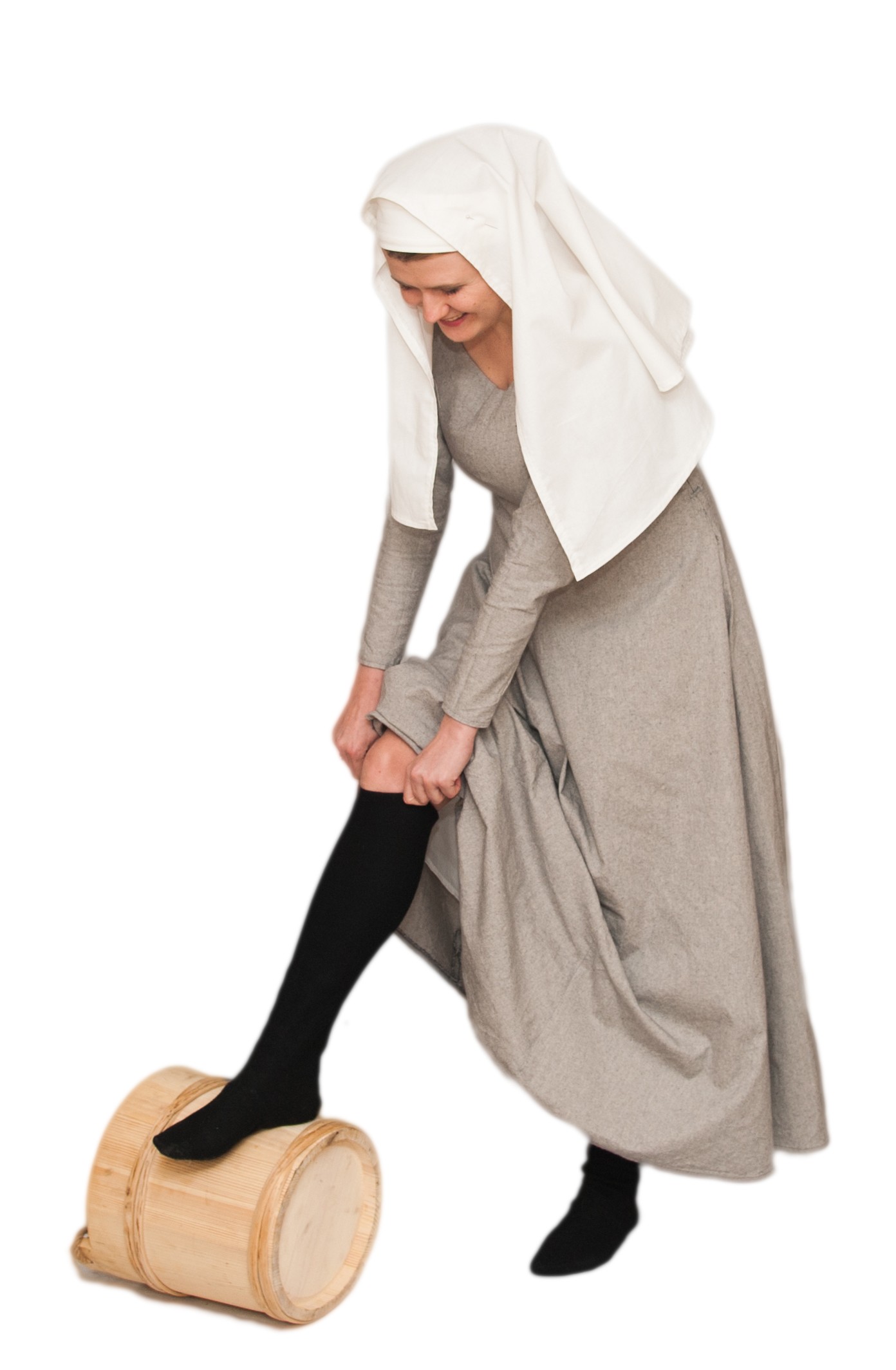
Women whose dresses covered their legs wore women’s chausses – thin, fitted woolen stockings. They usually reached to the knee and were fastened with garters. The leggings provided warmth and comfort during travel or on colder days.
Medieval-inspired historical costumes often reference these forms, capturing the ancient methods of sewing and fastening chausses. This is one of the most distinctive elements of medieval clothing, combining functionality with elegance.
In our studio, we recreate medieval hose based on iconographic sources and archaeological finds. We ensure historical accuracy in cut, hand-finishing, and careful selection of fabrics, ensuring that each piece captures the spirit of the era.
Related products
-

Wool Tunic 13th Century
194,45 € This product has multiple variants. The options may be chosen on the product page -
Cotte simple linen type 1 simple medieval dress
Price range: 189,21 € through 200,60 € This product has multiple variants. The options may be chosen on the product page -

Medieval Hose type 1
Price range: 107,25 € through 118,66 € This product has multiple variants. The options may be chosen on the product page -
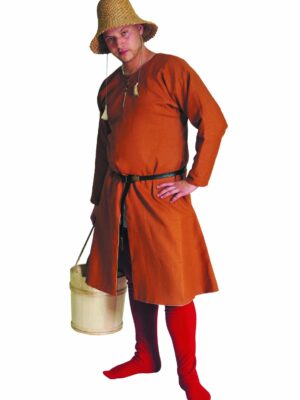
Cotte Tunic Linen 13th Century
125,38 € This product has multiple variants. The options may be chosen on the product page