Historical Costumes – Bonumsartores.com


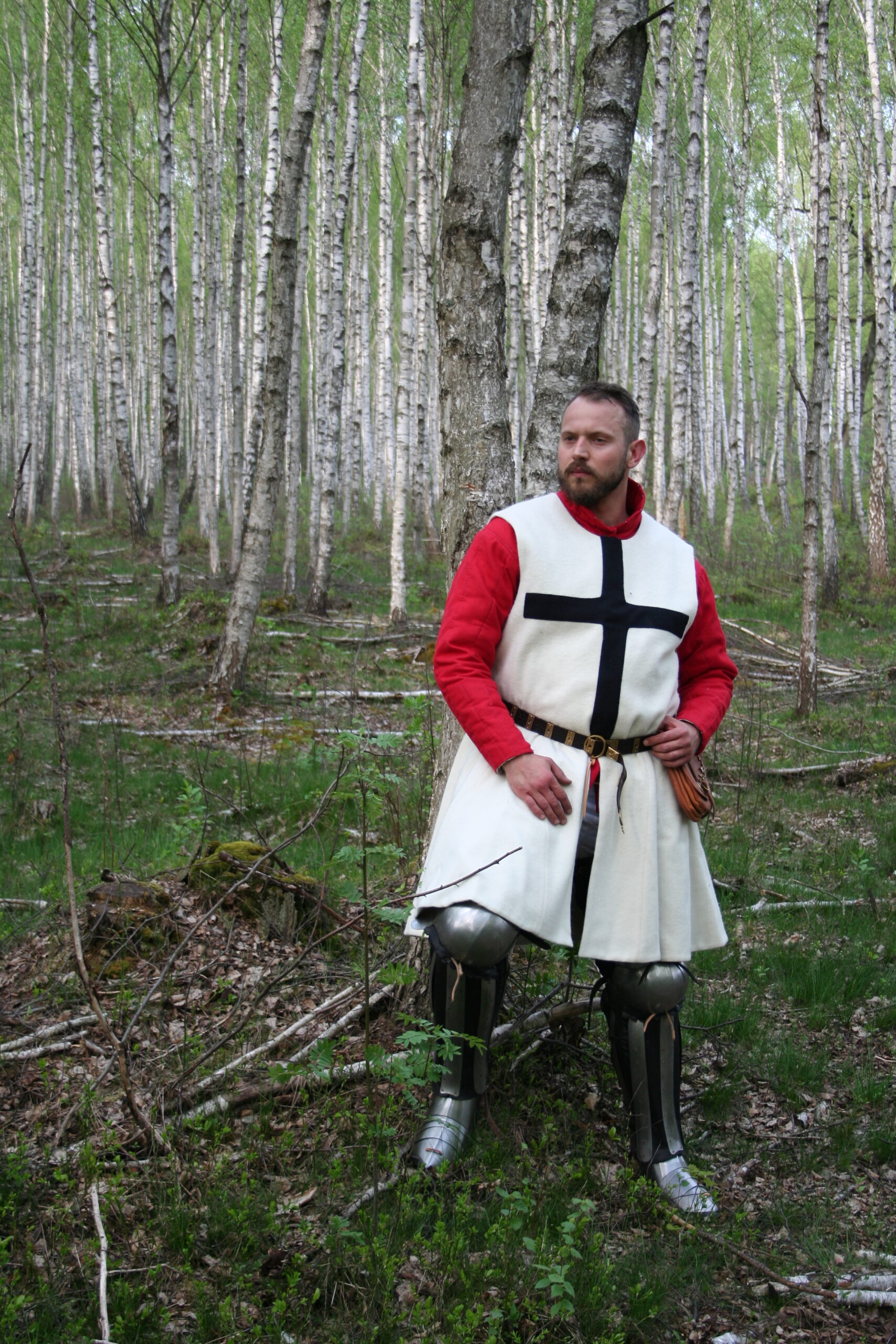
Tunics and Battle Coats – A History of Garments Worn Over Armor
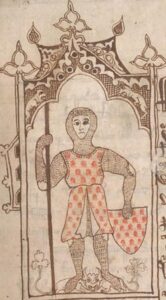
Surcoats, also known as battle robes, emerged in the 12th century as lightweight garments worn over mail shirts. Initially, they served a practical purpose – protecting the metal from sun and rain and preventing the knight from overheating. Over time, they began to take on ceremonial significance: they were decorated with coats of arms, embroidery, and colorful fabrics, making them an important element of identification on the battlefield.
In the 14th century, the surcoat evolved into more fitted forms, such as the jupon or coat armor, which accentuated the silhouette and fitted better to armor, while also serving an additional protective function.
Related products
-

Cottehardie type 4
198,69 € This product has multiple variants. The options may be chosen on the product page -
German style doublet
198,77 € This product has multiple variants. The options may be chosen on the product page -
Wool coat 1/2 circle
Price range: 278,94 € through 313,81 € This product has multiple variants. The options may be chosen on the product page -
Hose type 1
Price range: 98,32 € through 110,03 € This product has multiple variants. The options may be chosen on the product page