Historical Costumes – Bonumsartores.com
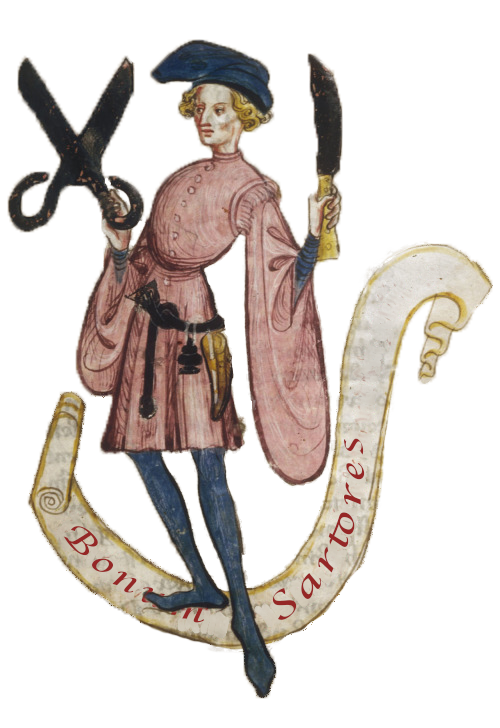
The Pourpoint and the Evolution of Men’s Medieval Costume
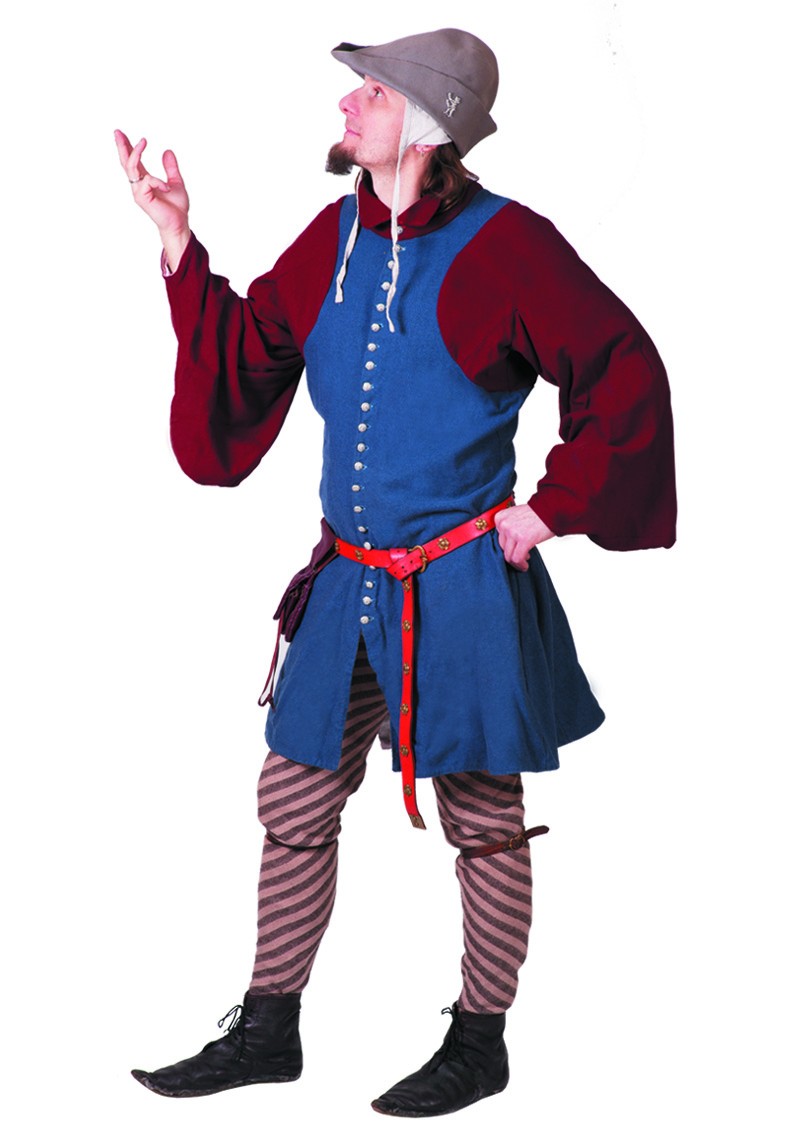
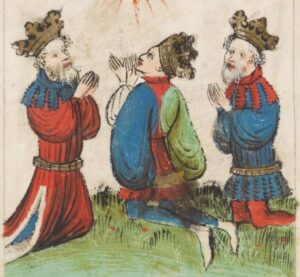
The history of medieval men’s costume is a story of simple methods, leading to increasingly tailored and exquisitely finished garments. In the Middle Ages, long tunics and cloaks dominated, which gradually began to be shortened and shaped to enhance their definition. The 13th and 14th centuries saw more advanced stages, and fashion began to evolve in its concept of elegance and skill.
In this context, the pourpoint became a symbolic element of clothing. A carefully connected quilted underlay under armor protected the body from abrasions and impacts. Made from several layers of fabric, stitched in a distinctive pattern, it ensured both durability and comfort. Over time, the pourpoint became more versatile, with decorative stitching, buttons, and high-quality fabrics being used.
In the 14th and 15th centuries, the caftan evolved into a fashionable civilian garment worn by knights and aristocrats. The fitted cut, often reaching to the hips, emphasized and imposed a masculine, modern, and dynamic character. The pourpoint thus became a symbol of the transformation of medieval clothing – from a practical piece of armor to an elegant expression of position and style. These garments often feature various cutouts at the hem.
Keywords: historical costumes, medieval costumes, historical reenactment, pourpoint, medieval fashion.
Related products
-
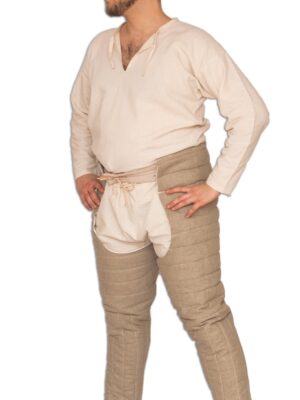
Quilted leggings
Price range: 136,78 € through 167,55 € This product has multiple variants. The options may be chosen on the product page -
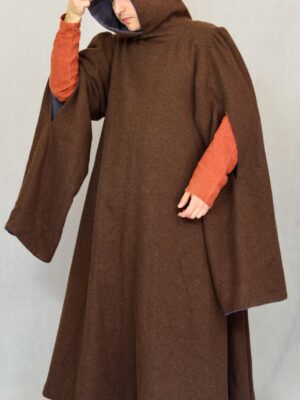
Medieval Travelling Cloak – Gardecorps
411,17 € This product has multiple variants. The options may be chosen on the product page -
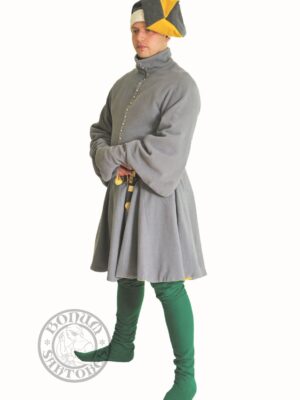
Jopula with a baggy sleeves- medieval men’s clothing
Price range: 389,45 € through 423,82 € This product has multiple variants. The options may be chosen on the product page -

Medieval Hose type 1
Price range: 107,25 € through 118,66 € This product has multiple variants. The options may be chosen on the product page