Historical Costumes – Bonumsartores.com
Medieval Underwear, a LARP Shirt – Shirt and Underpants in Everyday Life
Medieval underwear was an integral part of clothing, serving both protective and hygienic purposes. The basics were shirts and underpants, most often made of linen, a durable, breathable, and easy-to-wash material.
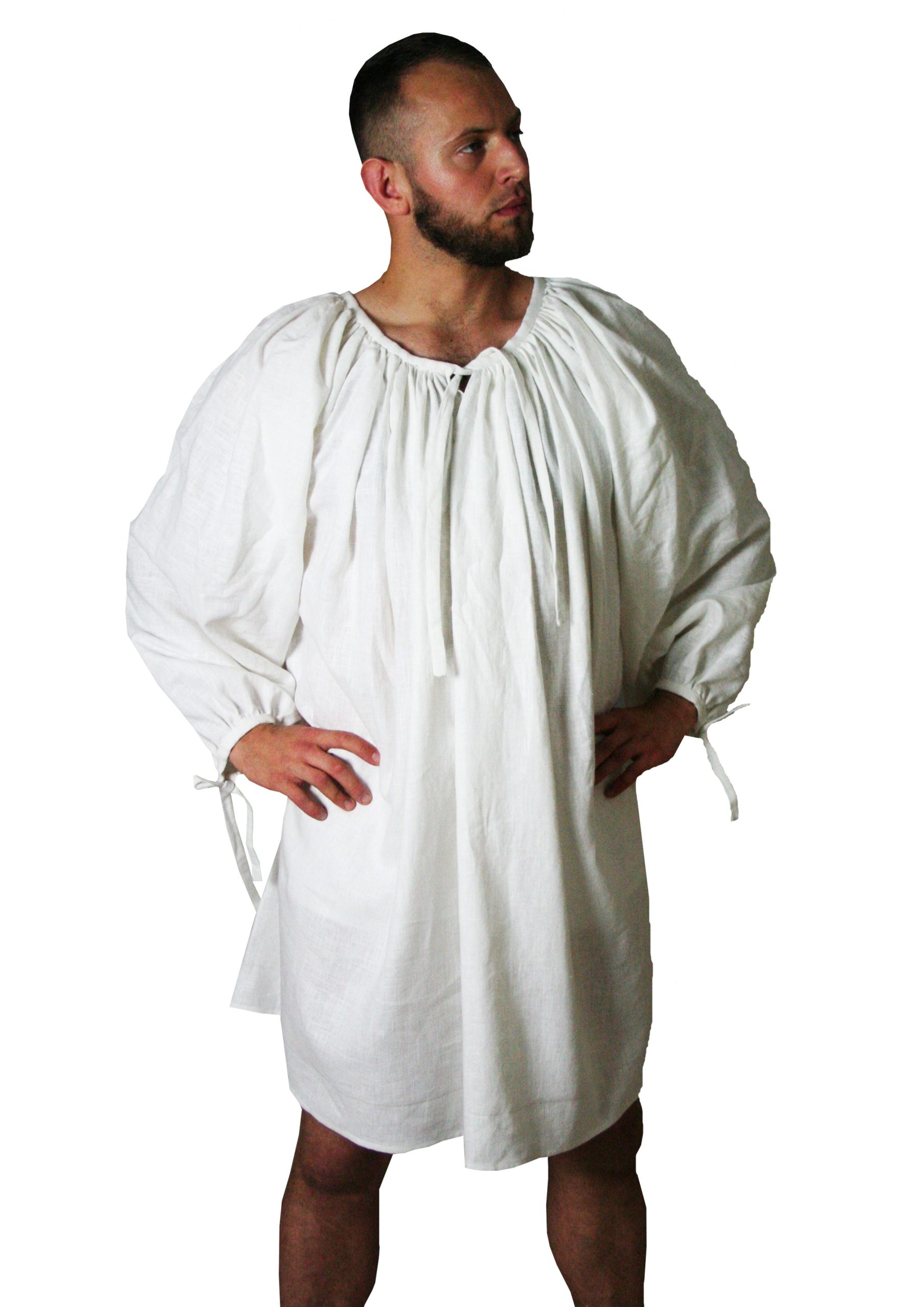
The medieval shirt had a simple, loose cut, form-fitting, and extended from mid-thigh to the ankles. Its purpose was to absorb sweat and protect outerwear – a dress, tunic, or doublet – from getting dirty. For women, it served as the first layer of clothing, emphasizing the importance of hygiene in everyday life. The shirts we make are based on commonly known shirt patterns, the shape of which changed slightly throughout the Middle Ages. Depending on the period, they were more or less fitted and differed slightly in details such as the neckline, etc. This shirt model is also suitable for a Warhammer LARP.
Medieval undergarments, popular in men’s wardrobes, took the form of wide trousers tied at the waist. Their length varied – from knee-length to calf-length – depending on the period and the wearer’s needs. They facilitated wearing the trousers and provided freedom of movement both during work and travel.
The importance of medieval undergarments was practical: they protected the body from the cold, increased comfort, and allowed for cleanliness. Although not visible in everyday life, they formed the foundation of medieval attire and played a crucial role in the lives of people of all social classes.
While medieval undergarments may seem like a simple curiosity today, they play a crucial role in historical reenactments. It’s difficult to imagine true medieval attire without them – a shirt and undergarments are its foundation.

Related products
-

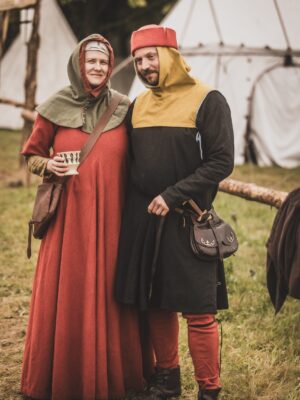
Hood tied under the arms
82,61 € This product has multiple variants. The options may be chosen on the product page -
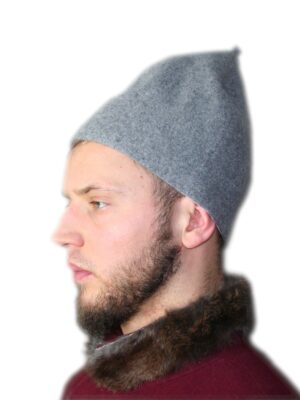
A cone-shaped hat
16,52 € This product has multiple variants. The options may be chosen on the product page -
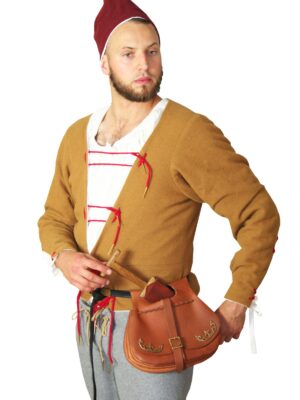
German style doublet
200,63 € This product has multiple variants. The options may be chosen on the product page -
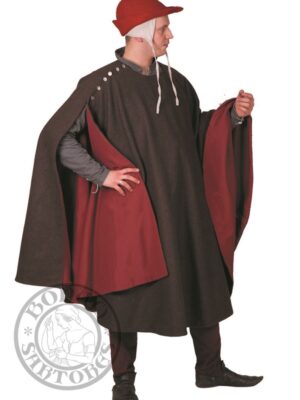
Full circle coat
Price range: 401,27 € through 424,87 € This product has multiple variants. The options may be chosen on the product page