Historical Costumes – Bonumsartores.com
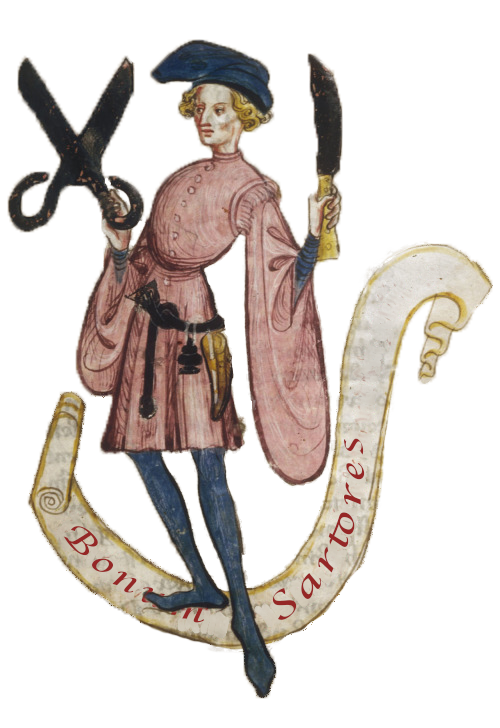
Doublet – Men’s Late Medieval Clothing
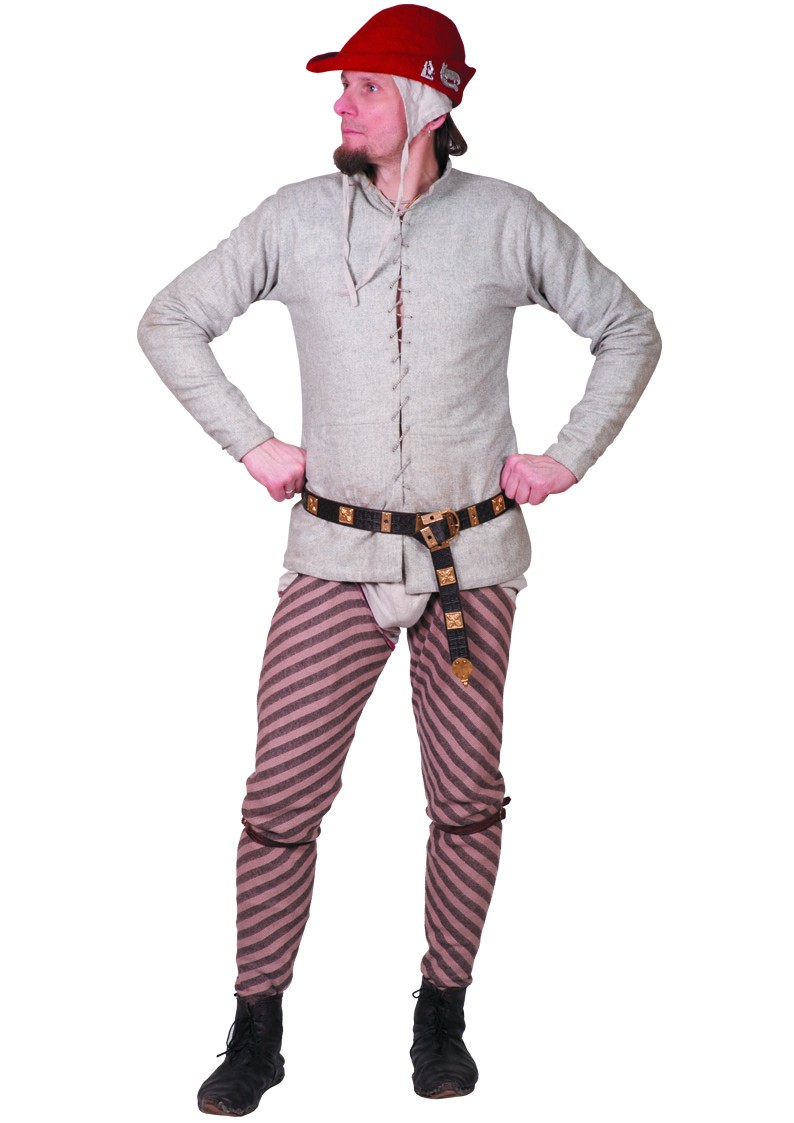
A doublet was a fitted element of men’s clothing that became an important part of the late medieval wardrobe during the 14th and 15th centuries. Its cut evolved together with changing fashion and developments in tailoring – from simpler 14th-century forms to the closely fitted and more complex constructions characteristic of the 15th century.
A doublet usually reached the waist or hips and was shaped to the body through its construction and seams. It could be fastened with buttons or lacing, while the sleeves of some models were attached separately. Another important function of the doublet was to support the hose, which were tied to specially positioned attachment points.
Wool and linen were among the main materials used, while silk fabrics could be found in garments made for wealthier wearers. Some doublets also incorporated additional layers or padding to help shape the silhouette.
Our medieval doublets are based on period iconography, written sources, and surviving historical garments. They are made from natural fabrics and individually tailored to the customer’s measurements.
Related products
-
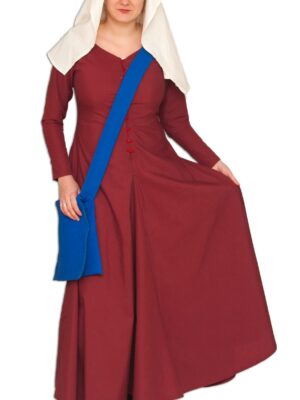
Cotte simple linen type 1 simple medieval dress
Price range: 189,21 € through 200,60 € This product has multiple variants. The options may be chosen on the product page -
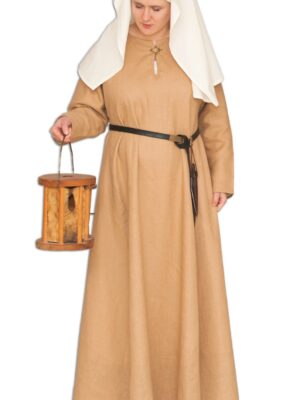
Linen cotte 13th century
193,77 € This product has multiple variants. The options may be chosen on the product page -
Wollen cotte 13th century- High Middle Ages gown
262,15 € This product has multiple variants. The options may be chosen on the product page -
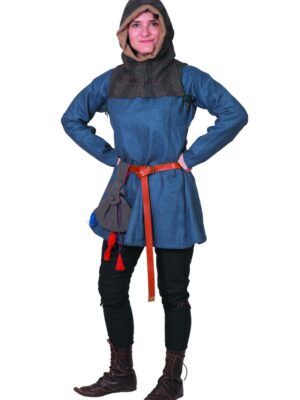
Linen Cotte Tunic
125,55 € This product has multiple variants. The options may be chosen on the product page