Historical Costumes – Bonumsartores.com
Medieval Dresses – The History and Beauty of Ancient Times
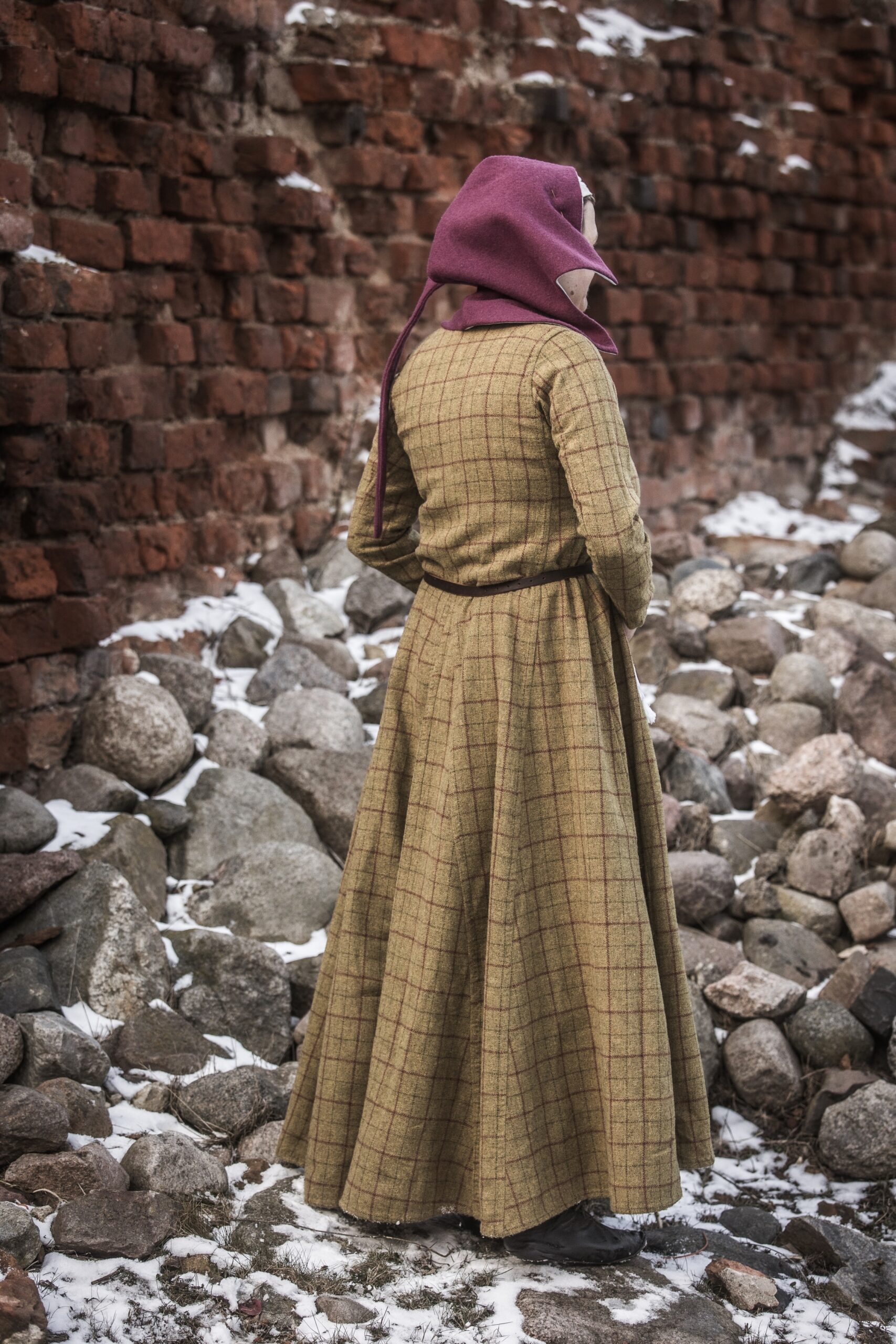
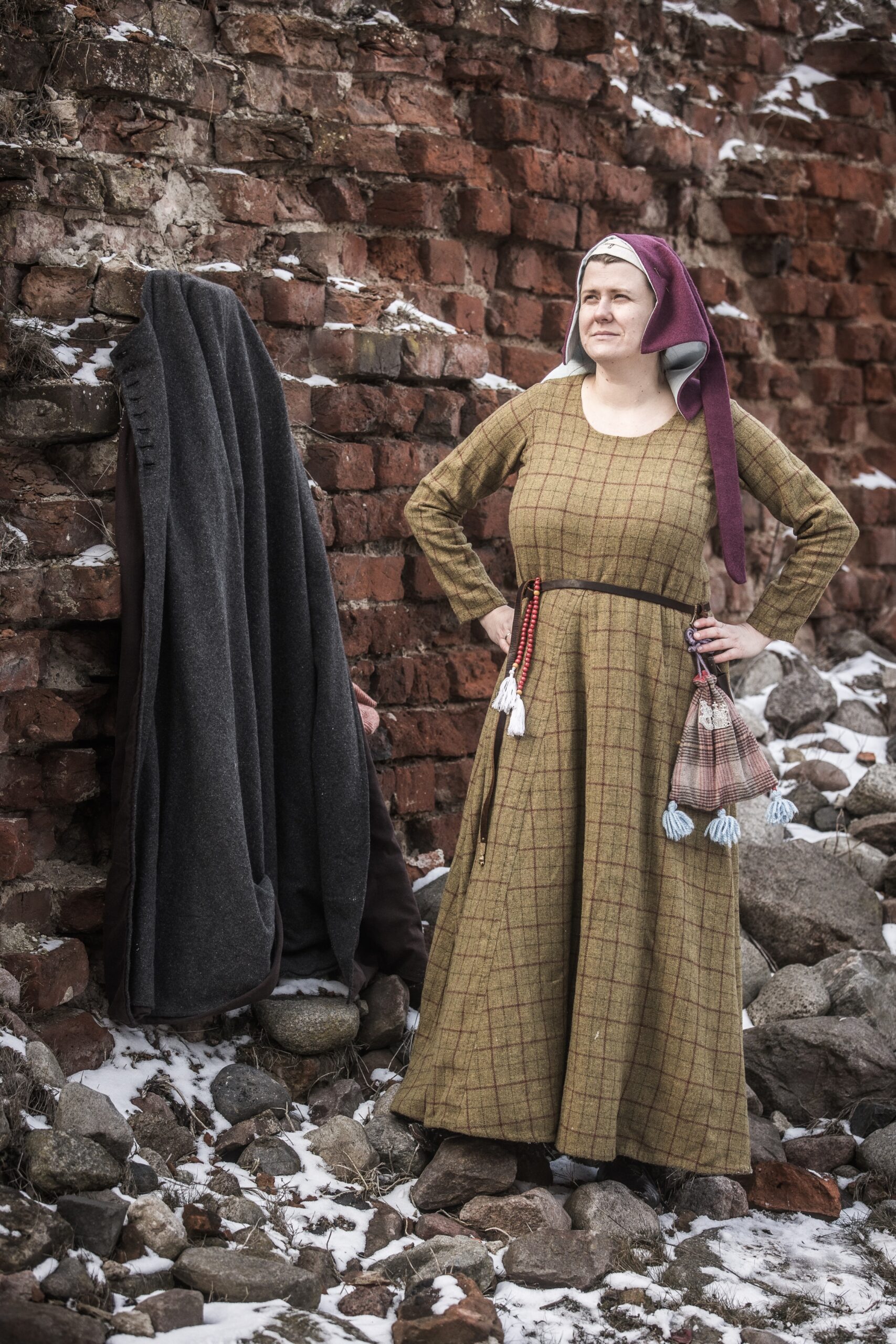
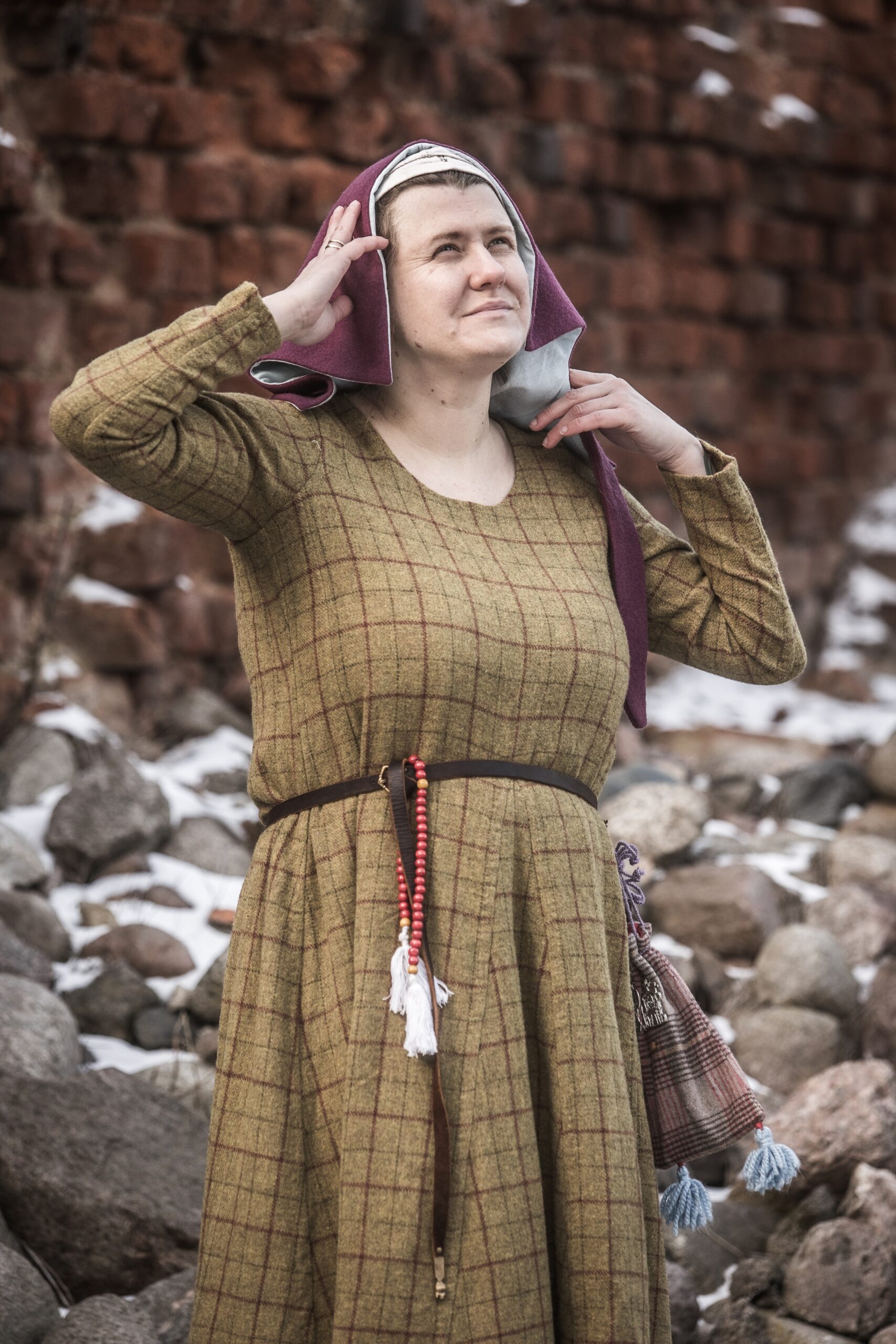
A medieval dress is not just a piece of clothing, but also a symbol of an era in which every detail of the garment carried its own significance. From simple, practical cuts worn by townswomen and peasants to richly decorated courtiers’ attire, medieval dresses reflected social status, wealth, and position in the hierarchy.
The Early Middle Ages were characterized by rather simple, loose-fitting garments, often made of linen or wool, ensuring comfort and functionality. Over time, especially from the 14th century onward, dresses began to take on more fitted forms, accentuating the figure. Long sleeves, gussets widening the hem, and embellishments at the neckline and cuffs became popular.
In royal and princely courts, medieval dresses were made of silk, brocade, or velvet, embellished with gold thread, fur, and precious stones. They were not only a form of clothing but also a display of wealth and prestige. The late Middle Ages also saw the emergence of fashionable slits, contrasting linings, and rich embroidery, which gave costumes a unique character.
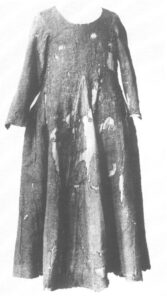
Herjólfsnes is one of the most important Norwegian settlements in southern Greenland, famous for its exceptionally well-preserved medieval finds. The site was excavated in 1921 by Danish archaeologist Poul Nørlund, when coastal erosion threatened the loss of the burial ground and historical monuments. A number of well-preserved artifacts were discovered, including the dress presented here, which was originally made of gray wool and had cord trim.
Today, medieval dresses are popular in historical reenactments, at festivals, and among those seeking to experience the atmosphere of bygone times. These garments combine history, elegance, and tailoring craftsmanship based on ancient traditions.
Medieval Garments Reconstructed
Related products
-

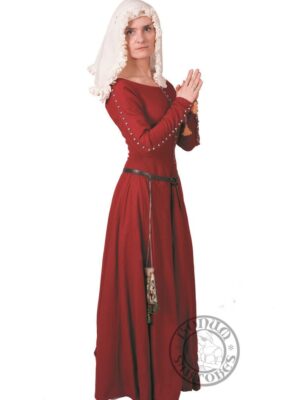
Cottehardie type 2
Price range: 330,46 € through 460,28 € This product has multiple variants. The options may be chosen on the product page -
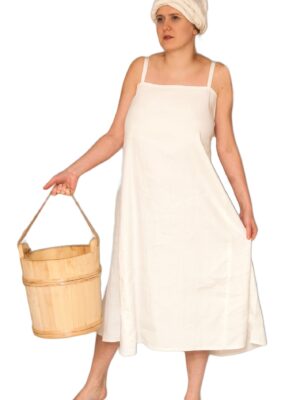
A chemise with straps
58,35 € This product has multiple variants. The options may be chosen on the product page -
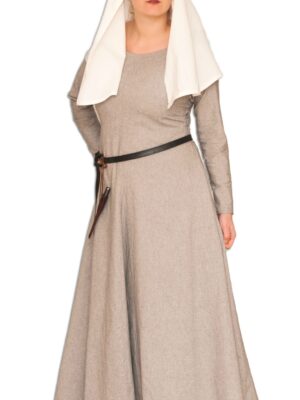
Cotte simple wool type 2
Price range: 222,07 € through 233,52 € This product has multiple variants. The options may be chosen on the product page -
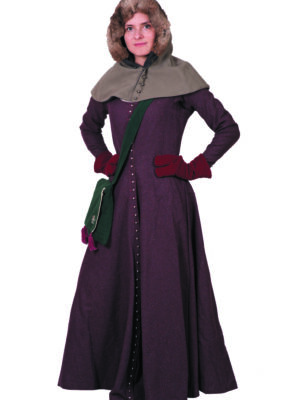
Cottehardie type 3
Price range: 448,48 € through 562,96 € This product has multiple variants. The options may be chosen on the product page