Historical Costumes – Bonumsartores.com
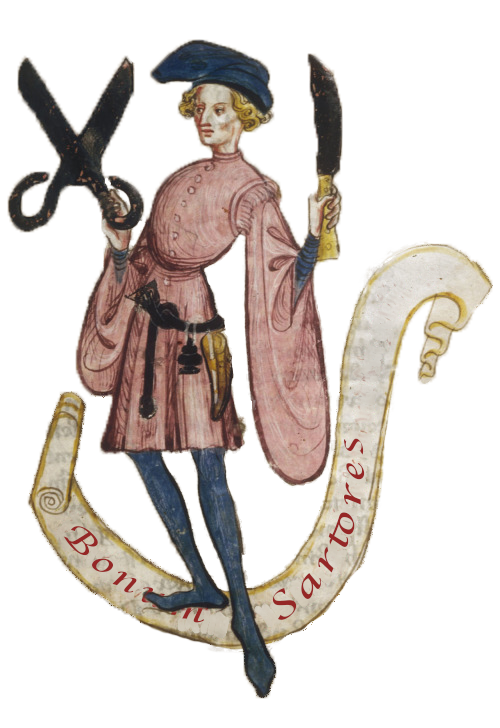
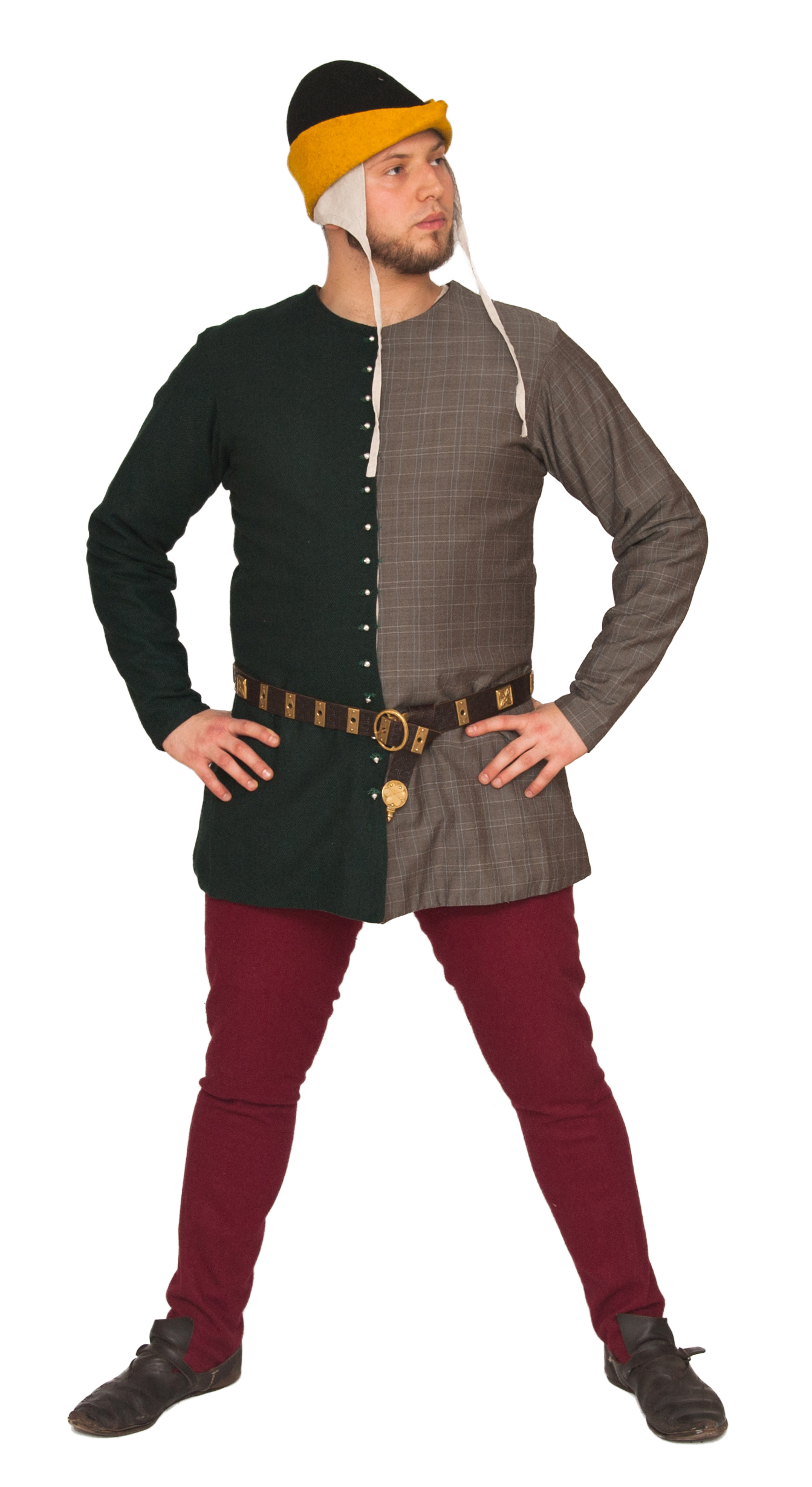

The History of Men’s Fashion in the Middle Ages – Cottehardie
During the Middle Ages, men’s clothing evolved from the simple tunics of the early Middle Ages to the increasingly fitted and ornate garments of later centuries. The basic garment was outerwear, worn both in everyday life and on formal occasions. These included tunics, loose cloaks, houppelande, and surcoats, which protected against cold and rain while also reflecting the wearer’s social status.
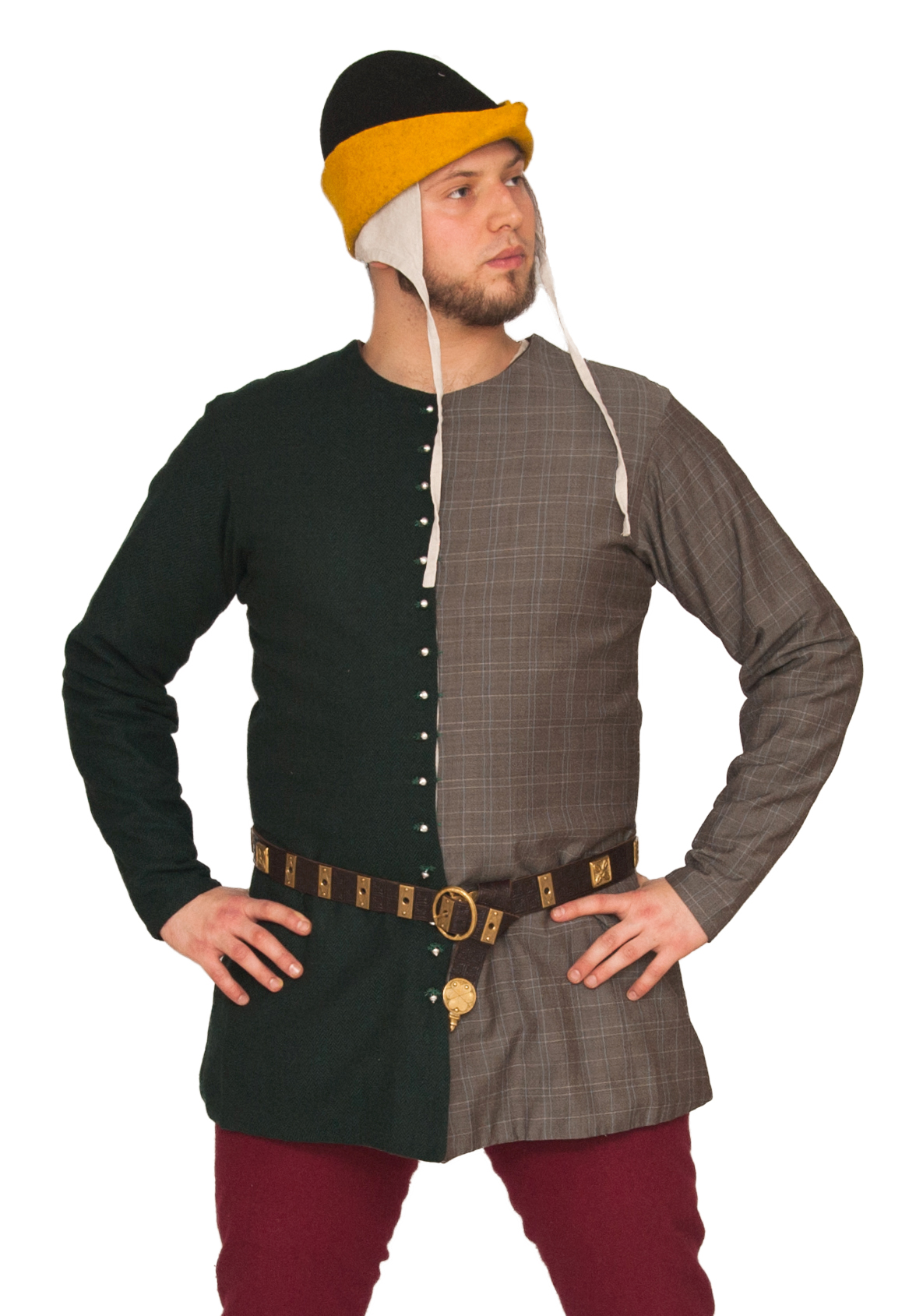
The cottehardie gained particular importance in men’s fashion – a fitted tunic worn in the 14th century as a transitional fashion, when clothing became more form-fitting.
The cottehardie was a tight-fitting garment with a fitted cut, accentuating the silhouette. Over time, it became increasingly shorter. Richer versions used luxurious fabrics such as velvet or cloth, adorned with embroidery, fur, or trim. The cottehardie could be worn alone or under a cloak and became a symbol of elegance and sophisticated men’s fashion in the late Middle Ages. It was also often worn with tippets, decorative, long, narrow strips of fabric sewn to the sleeves or hems of medieval robes.
Medieval clothing was both practical and formal – it protected against the elements, and the rich fabrics and decorations allowed men to express their status, social standing, and affiliation with a particular class or court.
Related products
-

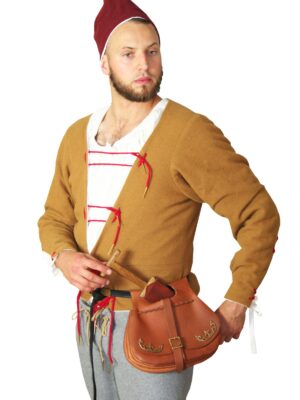
German style doublet
197,83 € This product has multiple variants. The options may be chosen on the product page -
Chaperon
51,25 € This product has multiple variants. The options may be chosen on the product page -
Waffenrock Zakon Krzyżacki
127,06 € -
Garters
15,06 € This product has multiple variants. The options may be chosen on the product page