Historical Costumes – Bonumsartores.com
Headgear in the Middle Ages – Caps and Hats
Headgear played a crucial role in the Middle Ages – not only did it protect against the cold and sun, but it also served as an important element of attire, reflecting social status, profession, and the fashions of the era. Both men and women rarely appeared bareheaded in public.
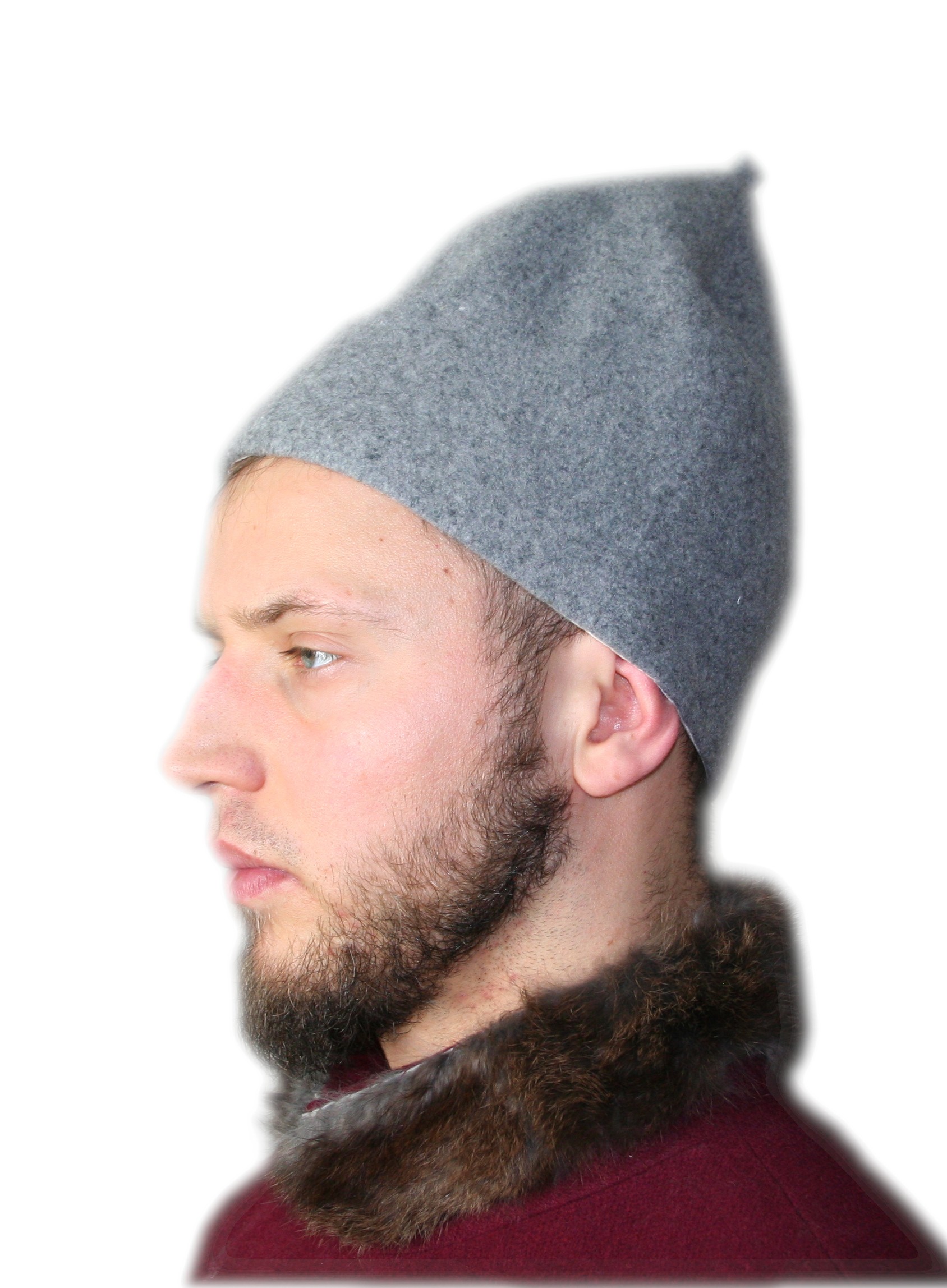
A variety of hats were popular among men’s headgear – from simple, woolen models worn by the lower classes to richly decorated, fur-lined caps worn by townspeople and the nobility. These often had a conical or hemispherical shape, and their form changed with fashion – in the 14th and 15th centuries, hats with a rolled brim, adorned with a feather or brooch, appeared. In the colder months, hats with ears or earflaps, made of wool, felt, or fur, were worn.
At the same time, the fashion for hats developed – initially with wide brims, providing protection from sun and rain, worn primarily by travelers, pilgrims, and farmers. Over time, hats became an element of urban and courtly attire. In the 14th century, tall felt or leather hats, often with decorative bands or feathers, were fashionable. In the late Middle Ages, soft hats called chaperones, which could be tied or wrapped into fanciful shapes, also gained popularity.
Headgear provided not only protection but also a form of expression – a testament to taste, status, and affiliation. From the humble artisan’s cap to the opulent burgher’s hat, each was an integral part of medieval fashion.
Related products
-

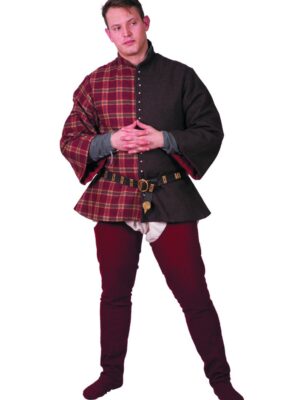
Italian type jacket
Price range: 219,24 € through 246,93 € This product has multiple variants. The options may be chosen on the product page -
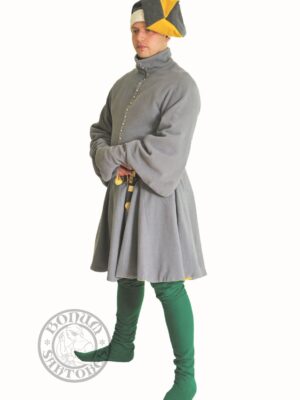
Jopula with a baggy sleeves- medieval men’s clothing
Price range: 347,39 € through 382,12 € This product has multiple variants. The options may be chosen on the product page -
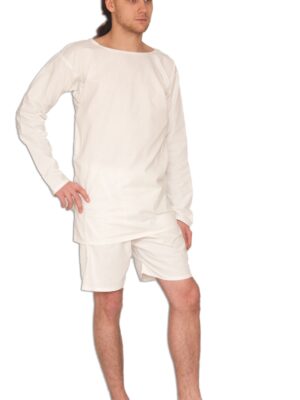
Oval neck shirt
55,75 € This product has multiple variants. The options may be chosen on the product page -
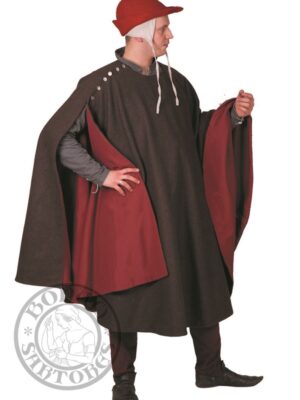
Full circle coat
Price range: 394,88 € through 418,10 € This product has multiple variants. The options may be chosen on the product page